


Celebrating Christmas on Jan. 7, Eritrean Orthodox Tewahedo Christians share traditions from East Africa
St. Gabriel Eritrean Orthodox Tewahedo Church
Photos by Ezra Habtes, Nov. 30, 2025.


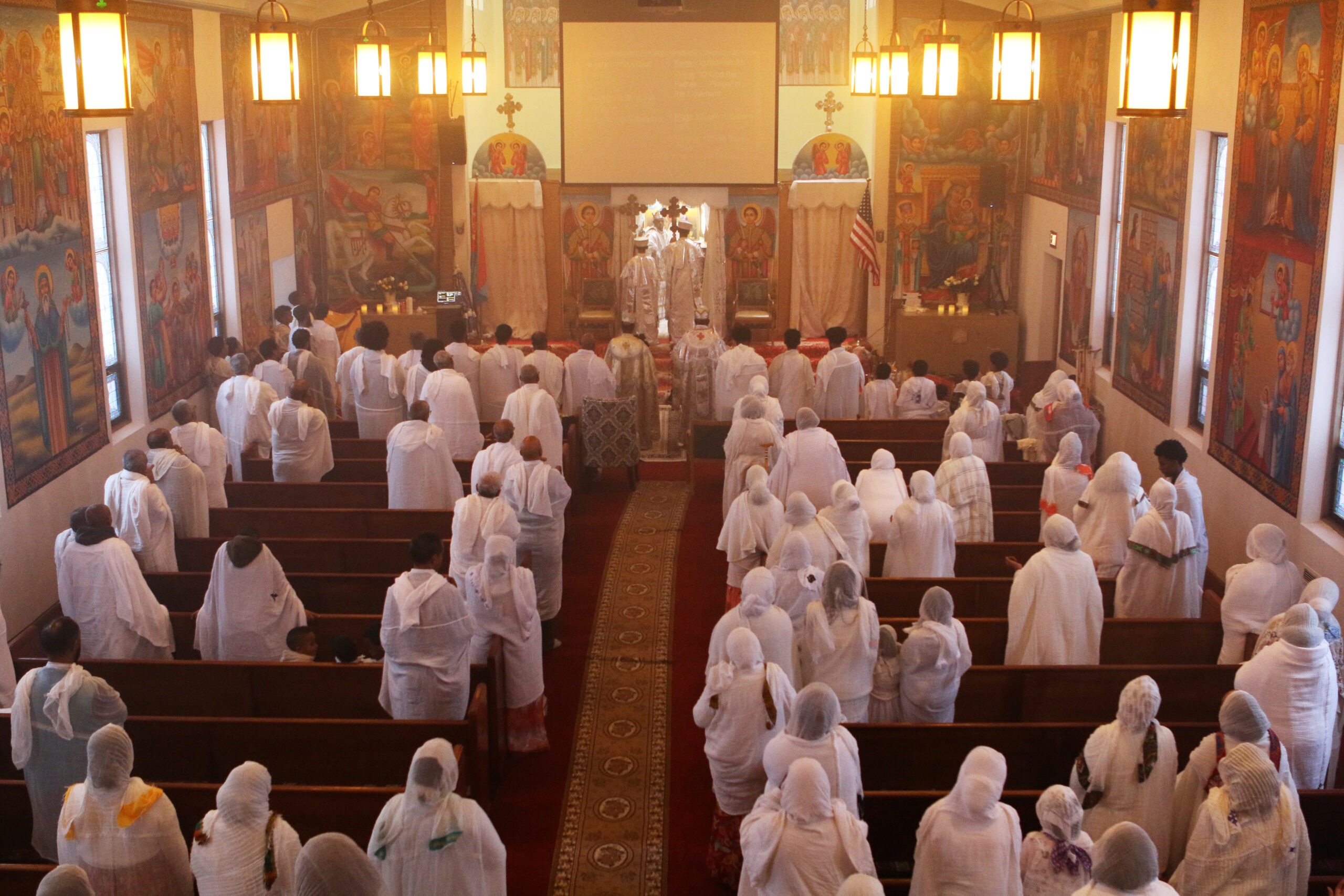


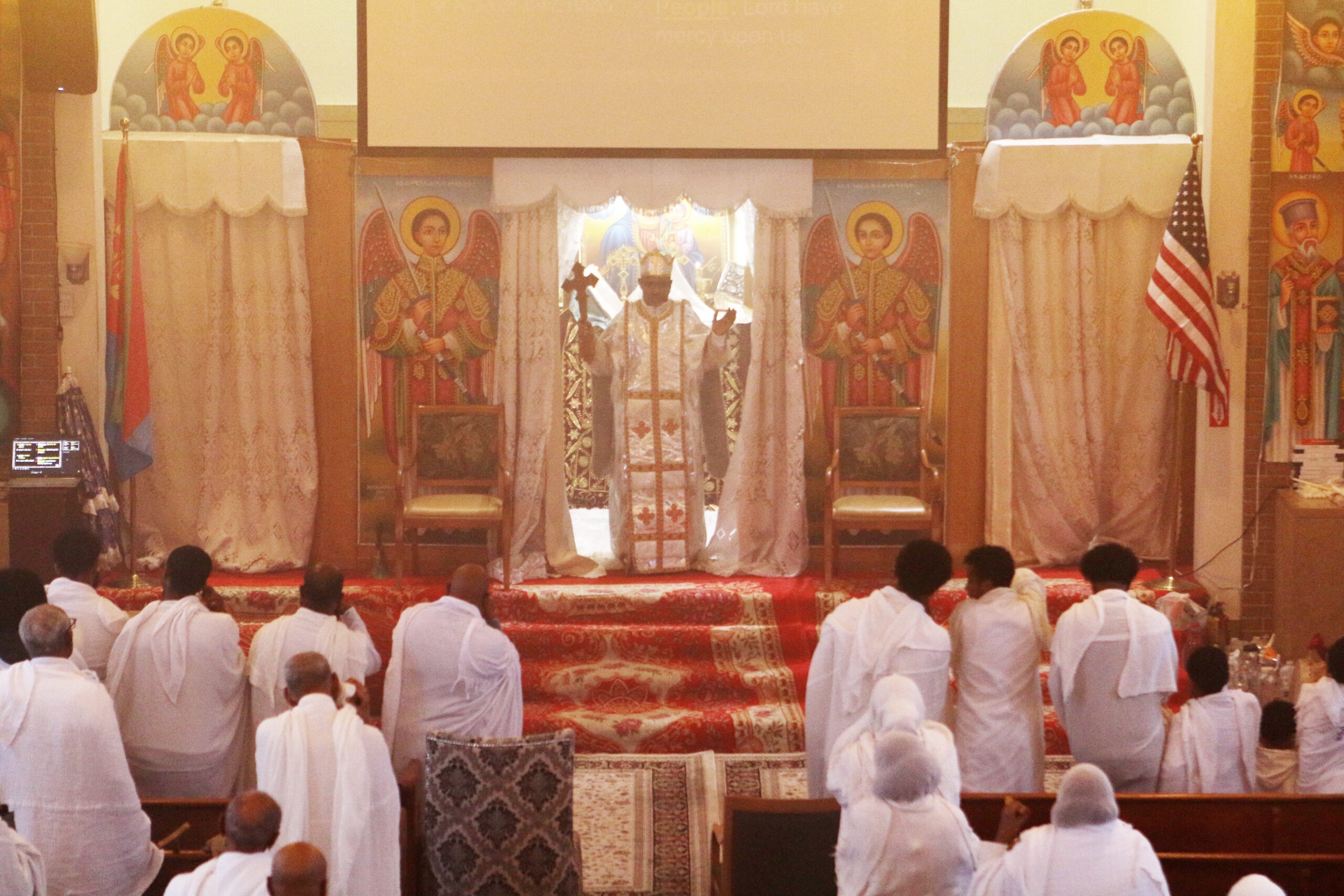

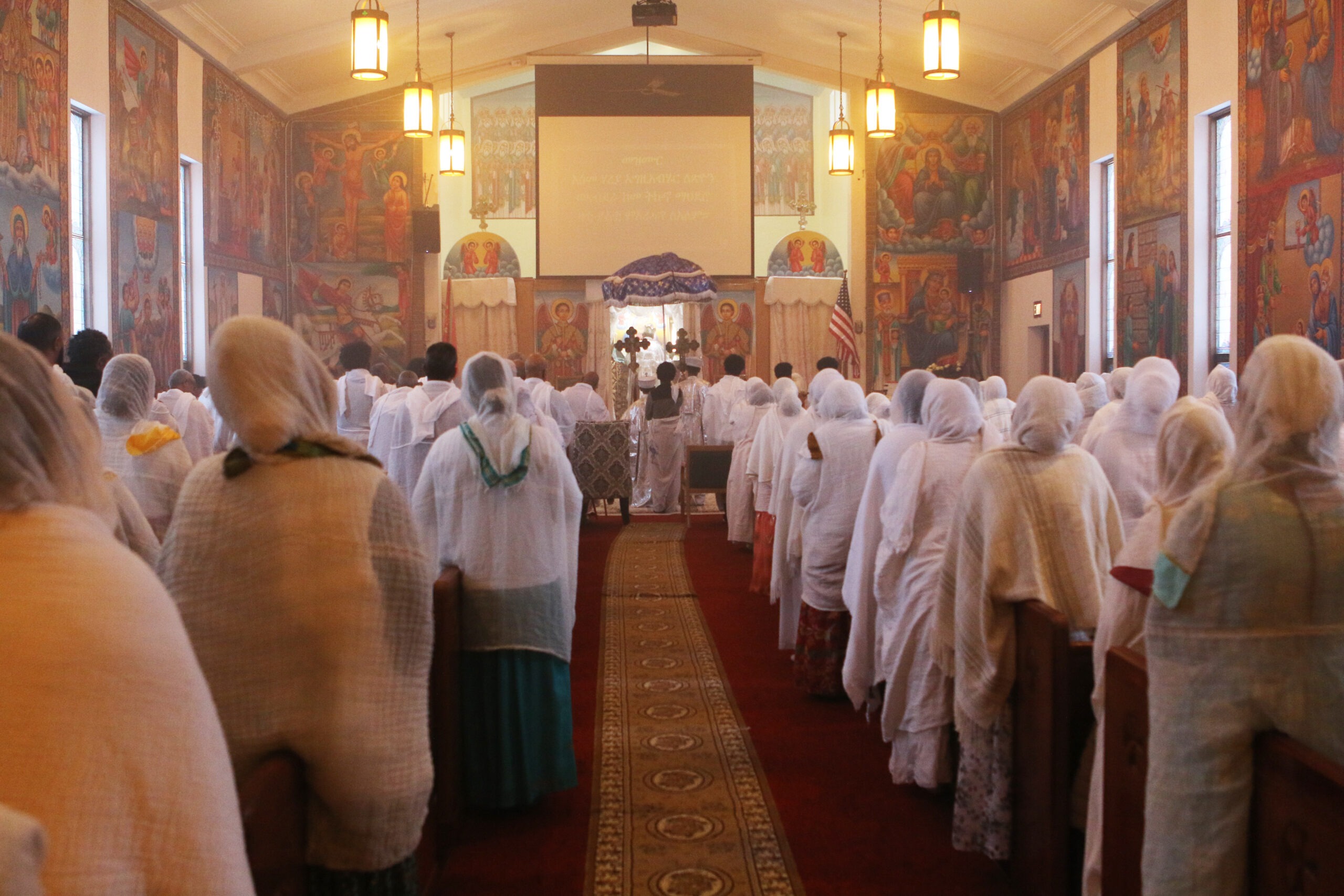


With Christmas coming up, people are itching for the 25th of December to enjoy their Christmas, while Eritreans are itching for January 7th to come up! Eritreans celebrate their Christmas called Lidet, celebrating it on January 7 following the Ge’ez calendar.
The Ge’ez calendar is a special calendar used by Eritreans and Ethiopians. Unlike the Gregorian calendar, the Ge’ez calendar has 13 months in one year. 12 months of 30 days, but in the last month called Pagumē, there are 5 days in a common year, and 6 days in a leap year. The Ge’ez calendar is also 7-8 years behind the Gregorian calendar, meaning that Eritrea and Ethiopia are in 2017-2018. The Ge’ez calendar comes from the ancient Coptic calendar.
“Eritrean Christmas follows Orthodox Christianity and is strictly a celebration of the birth of Jesus Christ and that is called Lidet,” said Eden Woldeyohannes, the mother of the two current Minnehaha Academy students, Eben and Ezra Habtes, and alum Essey Habtes (‘25). Eden grew up in Eritrea for her first 14 years, then moved to America at the age of 15.
One of the main ways Lidet is celebrated is by fasting for 40 to 45 days.
“You go 40 days to fasting, and that means you don’t eat any animal products, and you have a plant based diet.” said Woldeyohannes.
Fasting for Lidet doesn’t also come just from not eating any meat — it also comes with forgiving others and purifying yourself.
“When we fast, we pray, if we have to forgive, we forgive, we start fresh,” said Nigisti Tela, the mother of Eden Woldeyohannes. Nigisti grew up most of her life in Eritrea, then moved later to Minnesota. “And when we receive Jesus Christ, His birth, that means our mind, our soul and our body is fresh.”
Fasting in Lidet is to celebrate and honor the birth of Jesus Christ. Instead of gift exchanges or presents, Eritreans like to gift people in multiple other ways such as surprising others, spending time with people, and making food, not any presents.
“Usually when you are coming back from the church event, you bring homeless people, you bring beggars with you, and all day they celebrate with you by giving them food and clothes,” said Tela. “We compare our cooking, we compare our clothes, we play, we dance. That’s what we do all day.”
Lidet and Western Christmas both celebrate the birth of Jesus Christ, but they both celebrate very differently.
“In Eritrea, I grew up fasting, praying, and thinking what it means to understand the birth of Jesus Christ, but in America I think Santa took over Jesus Christ,” said Woldeyohannes.
Even though Lidet has many differences from how western Christmas is celebrated, Eritreans and Ethiopians celebrate Lidet in a few somewhat similar ways. Just like how Westerners say “Merry Christmas”, Eritreans say “Ruhus-Beal-Lidet” also translating into “Merry Christmas”. Since this Christmas is based off Orthodox Christianity, Eritrea isn’t the only country that celebrates this Christmas.
“Lidet is actually very dominant in East Africa, meaning that Orthodox Christianity is a very big religion in East Africa,” said Woldeyohannes. “It is dominantly celebrated by Ethiopia and Eritrea, which the Ethiopian and Eritrean Orthodox pretty much could rule the whole country because almost all of their people are Orthodox.”
Many people say Ethiopians and Eritreans don’t have much of a difference when it comes to this celebration, besides language.
“There is no difference at all, but the only difference is they are just two different countries,” said Woldeyohannes.
Ethiopians celebrate Lidet the same exact way, with candles, white robes, spending time with family, staying up late, and breaking fasts early in the morning. Nathanim Kenea, a first year student at Minnehaha Academy also thinks that Eritrea and Ethiopia celebrate the same way because of Lidet’s purpose.
“Lidet’s true meaning is getting together, the message of love, and the deeper meaning of the birth of Jesus Christ,” Kenea said. “That’s why it’s translated into Christmas because of Christ, you know.”
In Nigisti Tela’s youth, she had many great memories of her youth in Eritrea on Lidet.
“Lidet is the happiest memory for us, because usually my dad or my mom would buy me new shoes and new clothes then me and my friends would show off our new clothes, play around, and go from place to place to see what people are cooking,” Tela said. “We would also stay up late and early in the morning break our fast!”
In fact, the English word “breakfast” is related to “breaking a fast” with an early morning meal.
Many people in Eritrea would normally knock at random people’s doors since everyone would be at home, and there is no need to worry about danger since Eritrea is very close and trusting.
Everyone in Eritrea would also dress up in white robes on the day of Lidet. “When we go to church on Lidet, you wear all white clothes to symbolize Purity,” said Tela.
In Eritrea, there are many drinks used in celebrating Lidet.
“When I was young, my mom would make més, which is the honey wine, and she would make Siwa, another alcoholic drink, and another drink called Areke,” said Tela.
Soda in Eritrea isn’t always used on Lidet, but in cities, almost everyone has soda on Lidet. “But if you’re in the city, you would get a special treatment, you would get Fanta, Coke and Sprite,” said Tela.
Many people also eat food on Lidet, such as slaughtering animals and cooking them to break their fast.
“We would also make a special Hambasha, which is a type of bread,” said Nigisti Tela. “We would also slaughter lambs, goats, cows and chickens to break our fast.”
Around the time of Lidet, lots of great things would happen, said Nigisti Tela, mentioning how many people would get engaged, married, have their birthday, have a child, or host parties.
“After Lidet, not even two weeks passed by, we saw a lot of marriages, proposals and great things,” Tela said.
Overall, many people recommend to travel to Eritrea or celebrate Lidet.
“Please come to Eritrea and see the beauty of Lidet with everyone lighting candles at the church in the dark, the youth enjoying their own games, and celebrating Christ,” said Woldeyohannes.
Nathanim Kenea also emphasized how you should celebrate Lidet.
“If your friend is Ethiopian or Eritrean, and you should definitely ask them about it,” Kenea said. “You should try to go celebrate this beautiful holiday with all the food, the clothes. It’s like family, you know, like, of love and just celebrating a good time!”