
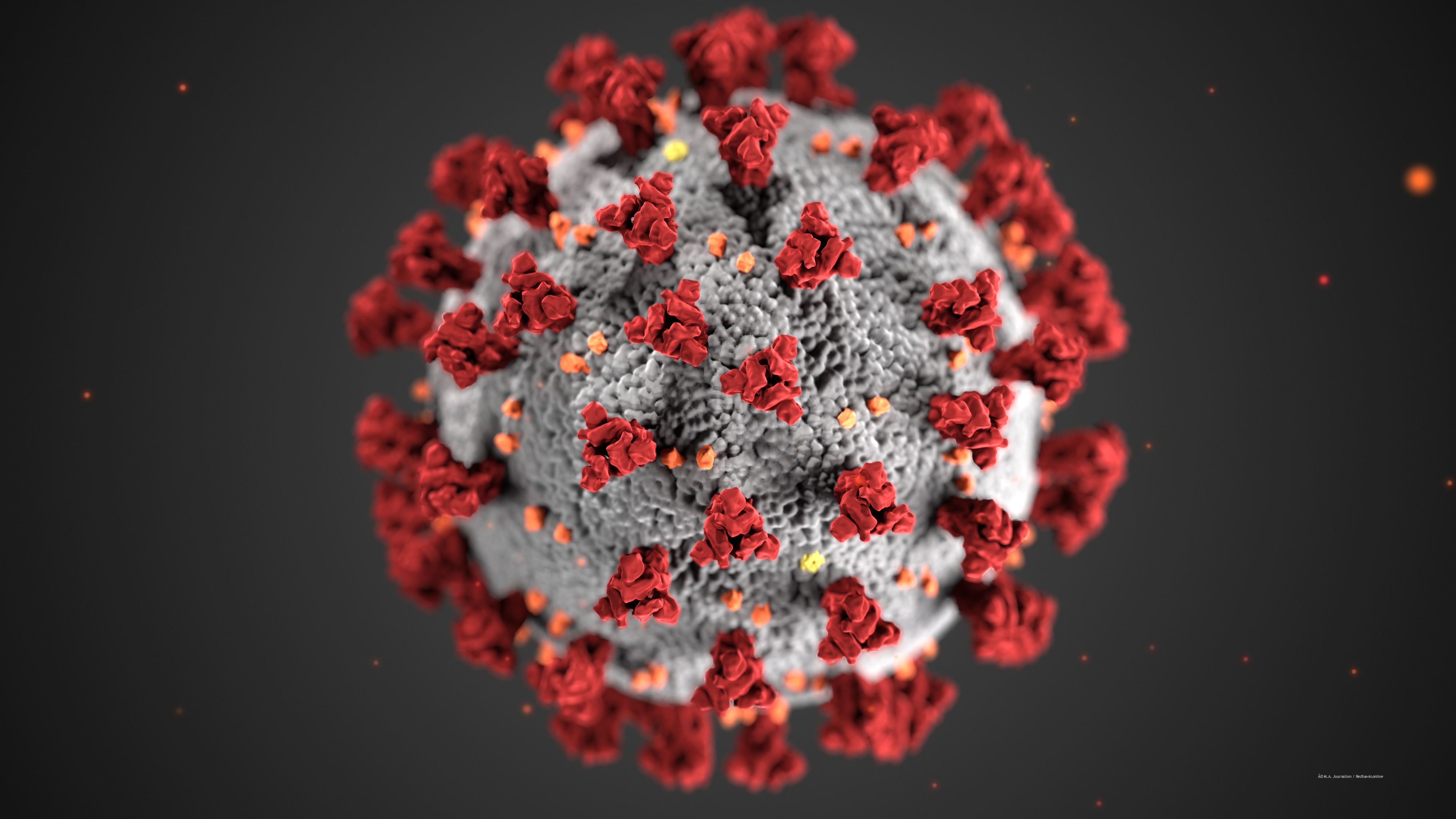

How COVID has evolved through the years.
This march marks the fourth anniversary of the COVID-19 shutdown. The virus has changed so much. This virus in the beginning was very contagious and caught the world by surprise. As people were staying home, and quarantined, the vaccine was released for people 12 years and older and the number of deaths began to slow. At first, the trend we were seeing through COVID-19 was older adults were getting sick and passing but not anymore.
Hedi Streed the nurse at Minnehaha Academy said, “Since it has been around for so long our bodies [adult bodies] have been more exposed and have become more immune.” Streed also talks about the importance of the vaccine being part of why adults aren’t getting as sick anymore.
“With the vaccine and exposure together our bodies can handle it the same as any other virus,” Streed said.
COVID-19 can adapt and change. These changes are called mutations. These mutations can make vaccines less effective. The people who are at risk currently are children.
Sydney Pederson, a top nurse at Masonic Children’s Hospital says “The virus has mutated and so people that are immunocompromised or elderly or young kids are more susceptible to it.” If someone has gotten COVID-19 before, they have immunity to that mutation, but COVID-19 has lots of mutations. People aren’t completely safe even with these changes.
“We were seeing across the country that there were tons of sick adults and there weren’t a ton of sick children, but over time the virus has changed and now lots of small children have been catching it,” said Pederson
“The most at-risk population continues to be minority populations because the nation doesn’t take care of society and health care,” stated Pederson. Along with the minority, there aren’t enough supplies in hospitals to take care of people, especially children.
“Not once since 2020 have I gone to work and had everything I need to do my job,” said Pederson.
“Children are definitely more at risk because they aren’t as equipped to handle significant respiratory viruses because their airways are smaller, they don’t have the ability to cough like adults,” said Pederson. A respiratory virus is a virus transmitted through the respiratory route like breathing.
The ways we can prevent getting COVID-19 are by washing our hands frequently, staying home if we’re sick, and staying away from others who are sick. Also, take an at-home test if you have COVID symptoms.