

1 million deaths per year that we can prevent: why the ocean’s health matters — and depends on — everyone
Plastic waste alone kills over one million marine animals each year; this is not only human-caused but is fixable by human decisions and actions.
“The majority of our ocean’s problems reside in human-made issues,” said first-year Vincent Pilling.
Marine ecosystem deterioration is defined as when the marine environment or a particular ecosystem degrades to a point where it is unable to support the animal and plant life that would usually reside there.
Why is this a timely issue? There has been a recent incline in the reports of diseases in marine organisms and habitats. This raises many concerns that ocean health is deteriorating.
What is causing this sudden shift in marine health? Many think that it could come from a number of things, including emerging contaminants from oil spills, ship-breaking, over-fishing, climate change, and other human activities.
“Corporations bear a large responsibility in keeping the ocean healthy, and I wish that there were better mechanisms for holding corporations responsible for the damage that they have caused to our planet,” said math and physics teacher Robert Liebhart.
Most ocean pollution is seen to have started on land, Much of this contamination to the water is from runoff combined with agricultural fertilizers and pesticides. Another type of pollution can come from trash barges; excess debris that is left on the ocean’s surface can slowly break down over the process of a long period of time; as it degrades, it uses oxygen to do so. This lowers the level of oxygen in the ocean, from this effect animals suffer greatly.
In addition, human activity seems to be consequential and crucially impactful; pollution won’t disappear anytime soon without large changes and regard to the ocean’s health. Studies have shown that 40% of the world’s oceans are highly affected by human activities. Some of these human activities include snorkeling, boating (as well as carrying invasive species), and scuba diving which brings danger because of people’s proximity to the fragile reef ecosystems.
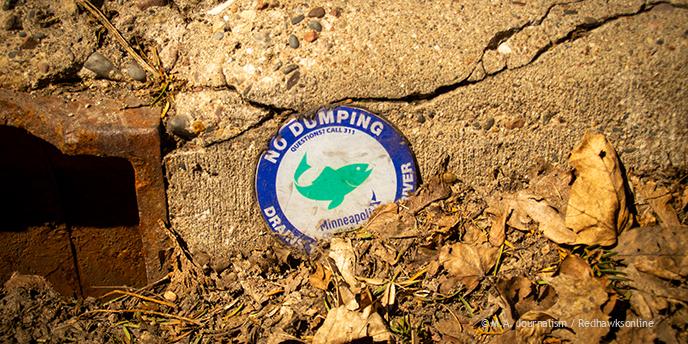
“We need to be more mindful of the practices that we participate in,” said Carmella Whaley, who has a doctorate in biology and teaches biology and environmental studies classes. “Simple things such as polluting storm drains can play a role as well because they lead to the river which eventually leads to the ocean.”
Different organizations and scientists have determined efforts to defend many ocean habitats, with this comes creating large marine sanctuaries, where human activity is not permitted in any way. This includes boating, fishing, and snorkeling. There are also laws working to put an end to the dumping of oil and chemicals into the ocean. But this is not nearly enough, there are still large changes that need to be made, and habits that need to be broken.
How can we help with plastic waste?
Your individual choices matter.
“Reflect on the decisions that you make in your personal life, and think about how they reflect on our planet,” said physics teacher Timothy Swanson.
Whaley pointed out that many areas of life involve choices that impact the environment.
“Always be mindful of what you’re doing, think about what you’re putting in your yard, keep your car running so that it’s not leaking gas and oil, avoid polluting storm drains, and clean your boat frequently to prevent carrying invasive species,” said Whaley
Students also feel the responsibility to take action.
“We need to proceed with sustainable development in our economy and use more eco-friendly habits to preserve our oceans and planet,” said sophomore Reya Kandaswamy.
The future depends on what each person does now.
“We must be more responsible with what we’re doing, and pay attention to the environment around us,” said first-year Natalia Latterell. “We need to stop assuming that other people are going to deal with the effect of our actions.”