

Why recovering mentally is just as hard as recovering physically
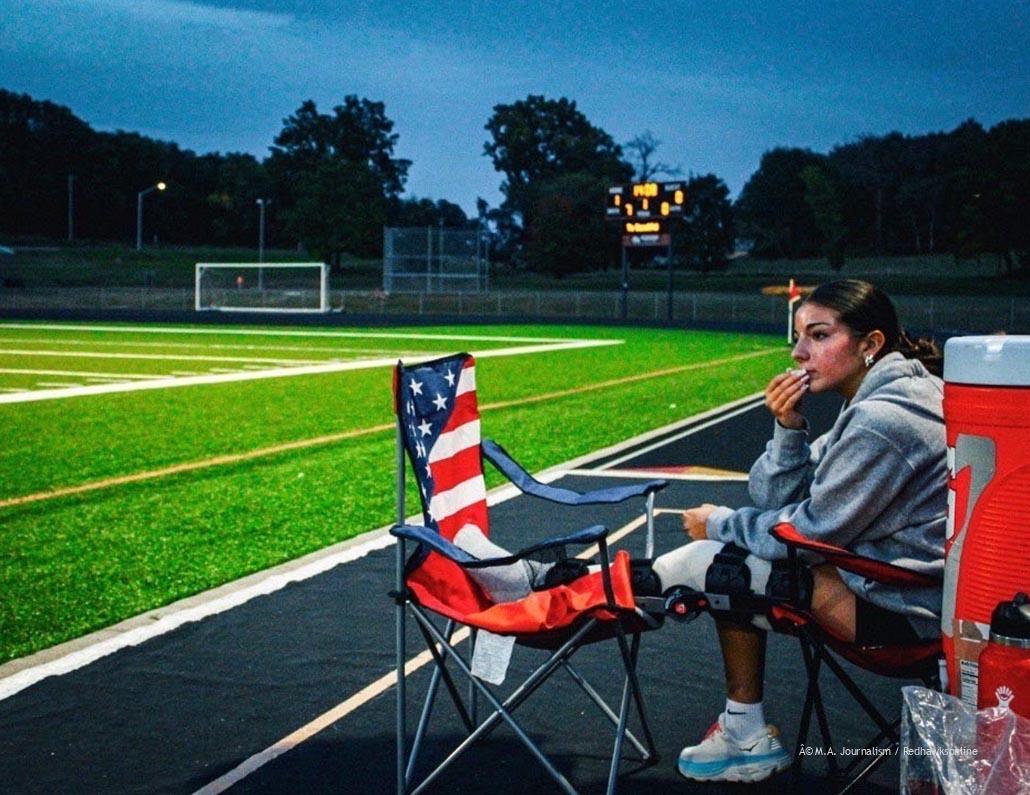
“I heard a pop and knew something was wrong,” said senior soccer captain, Amanda Lindskoog. While competing in a preseason scrimmage against DeLaSalle, Lindskoog suffered an ACL injury after passing the ball to her teammate. Being out for the entire season even before it began took a toll on Lindskoog as she had to take on a new role. Doing her best to stay positive and continue to root for her teammates even in her period of hardship kept her motivated to stay on track.
But that’s not the same narrative for every athlete. In the event of an injury, factors like severity of injury, level of skill, history of mental health issues, and size of support system can largely affect the athlete’s recovery experience that lies ahead.
At the beginning of their recovery journeys, athletes experience total change. Not only are they impacted physically and mentally, but they are also impacted socially as their condition has been fully altered.
“I didn’t go to any of the school dances because I couldn’t,” said Lindskoog.
Athletes like Lindskoog are often prohibited from participating in their normal social routines, and find that activities that used to be fun can in all, turn too challenging to even attempt.
This isolation from the normalcy that athletes are used to can be shocking and sometimes mentally tiring.
In turn, athletes can start to lose hope. After being out for a lengthened amount of time, they can wrestle with negative self-talk.
“Not only are these athletes battling swelling and pain, but they’re also battling the mental hurdles of “will I ever play again?” “Will I be as good?” “Do I trust my knee,” said Twin Cities Orthopedics Physical Therapist, Scott Cichos.
In addition to the spiraling thoughts and overwhelming amounts of questions, they can feel like the process is never-ending.
“The recovery process can seem like a grind or that return to sport like a mountain that just can’t be climbed. It’s exhausting to put the work in day in and day out,” said Cichos.
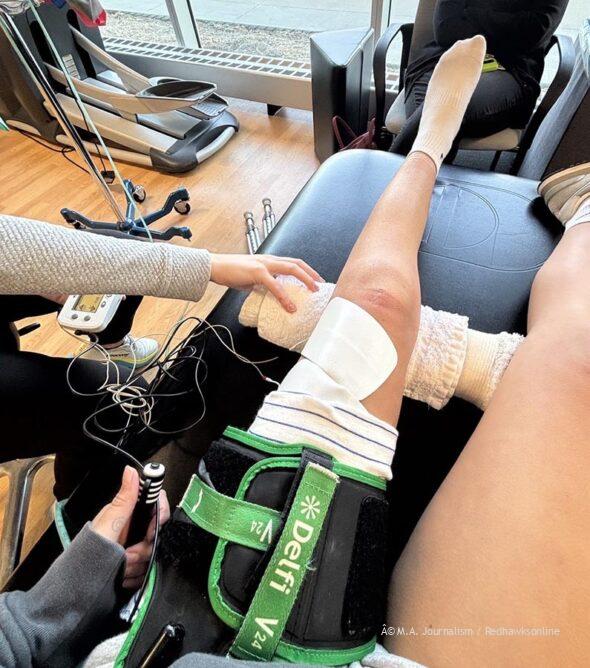 As the athletes have to stay disciplined with attending their appointments, getting x-rays, and doing their physical therapy, they can also feel burnt out within their recovery. With progress and healing being slow and gradual they can decide it’s not worth the work, or worse, that the work isn’t benefiting them and their condition.
“All too often I see athletes lose motivation to do the same exercises multiple times a day or to hit the gym for leg day for the third time in a week,” said Cichos. “The loose sight of the endgame halfway through the rehab process and I’ll see their strength and progress plateau.”
Battling through their internal outlook on the situation as a whole is hard enough for athletes, but individuals without support systems experience these mental challenges more often and more extensively than athletes with one do.
“If not, provided a proper social support system, athletes can spiral quickly or fail to return to sport altogether,” said Cichos.
Without these positive outlets or people who remind them that there is light at the end of the tunnel, recovery, and the way they view it can be especially challenging.
“Some people can look at it and say, “Ok this is temporary and I can get past it,” but some people struggle with it thinking that this will be forever,” said Minnehaha Academy trainer, Kristen Fosness.
Whereas on the contrary, athletes that have access to a support system can be motivated and even shown that there is still joy in the little things.
“Having friends/family to spend time with, teachers/coaches to talk to, trainers/physical therapists to chill with and learn from, and of course mental health professionals available to reach out to as needed are all pivotal to a successful recovery,” said Cichos.
As athletes move through their recovery, the concluding weeks are just as important as the initial weeks, both physically and mentally.
Individuals who make an effort to jump right back in can potentially re-injure themselves as the injury might not be fully healed or ready for that rigorous of a start.
“At some point I think I was almost doing too much because I really wanted to get stronger and stay strong,” said Lindskoog.
Impatient athletes can often feel overconfident in their recovery process, and believe that they are fully back to normal. This can impede their return back even more, or for longer than their doctors intended for it to.
On the flipside, some athletes can also experience anxiety. As they feel like their body is still weak or hurt. They forget the work that they have put in, and lack confidence in the area that was once injured.
“Mental block is a huge thing, especially if they’re doing the same thing that they got injured on they’re gonna be tentative to do the same skill again, because self-consciously their body is trying to protect them,” said Fosness.
With this heightened anxiety, athletes can, in some cases, injure a different area of their body as they try to not use the injured area as much.
“If you’re afraid/anxious to straighten your knee or squeeze your quad after an ACL reconstruction, you’ll be anxious to eventually do that single-leg squat, which will lead to overcompensation elsewhere and can further hinder your recovery,” said Cichos.
 As athletes eventually get back into the swing of things, and return to their sports, physical therapists and trainers try to help the athletes as much as possible through techniques like visualization, mental imagery, and continued support.
“Studies indicate that mental training and physical therapy help athletes regain confidence and reduce anxiety after an injury,” said clinical psychologist Andrew Ahrendt in a Nebraska Medicine article.
Visually imagining the setting that the athlete got injured in, and then having them do reps in said setting can help them to overcome their fear of re-injury.
“It can build up their confidence as they know that they have done it before and therefore can do it, ” said Fosness.
In addition to visualization, speaking to a sports psychologist or therapist can also help with the mental side of recovering.
“Even if it’s just one visit, being able to fully discuss how you’re feeling about the situation can be really beneficial,” said Fosness.
For some athletes, discussion, as well as being educated about their injury, can help to remove some fear from the situation.
“Invest in learning about your injury and recovery from professionals because understanding can help calm any anxieties and may lead to a future career,” said Cichos.
Although injuries can sometimes be scary and seem like a daunting, never-ending process, doctors, physical therapists, and other health professionals are always eager to help.
“As a physical therapist, I enjoy helping athletes recover both physically and mentally from their injuries as I’m sure other health professionals do as well,” said Cichos. “Be open to telling your PT’s/ATS about how you’re feeling or that you’re struggling and they will be more than happy to help.”