

Success isn’t formulaic or coincidental but rather personally determined
Olivia Dorow Hovland, Talon staff writer
Success is hard to quantify. Some measure it in wealth, others in happiness, renown or social connections. The road to success, however, is a little easier to describe. In our society, education, hard work and skill seem to be the characteristics that are upheld as the keys to success. If you can emulate these attributes, you are told that you will have the world at your fingertips.
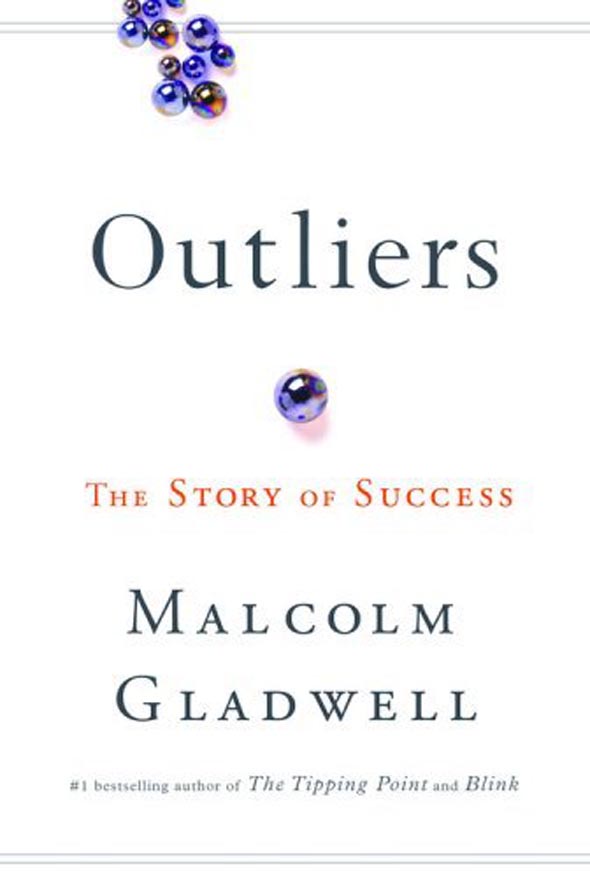
In his book Outliers, Malcolm Gladwell proposes that this simplistic assumption is actually far from the truth. He hypothesizes that is a person’s success is much more circumstantial and luck-based than dependent on any innate ability that person might have.
He presents the example of Canadian professional hockey players almost all being born in the first half of the year because the birthday cutoff for youth hockey levels is January 1. All the boys with birthdays in the spring would be older and faster than all the younger boys in their level and would therefore receive more individual coaching and have a higher chance of being successful.
Success can also be linked with a person’s socio-economic class. Studies have proved that kids who belong to the upper class retain more knowledge over the summer (due to summer camps, travel, enrichment programs, etc.) than kids at lower economic levels and therefore start out the new school year a step ahead of all their classmates.
While it may seem that Gladwell is saying that we are all nothing but victims of circumstance, his message isn’t that passivity and lethargy is the correct approach. Instead, he was attempting to dissect the commonly held belief that success is all about brain power and prove that it is indeed about hard work and making the most of the situation you are placed in.
In fact in his conversations with Chris Langan, a man with an IQ of 200 (Einstein had an IQ of 150, the average person has an IQ of 100), Gladwell suggests that success only requires “enough” intelligence and that anything over that benchmark is trivial. Beyond that, at a certain point a large intellect can be detrimental. Gladwell concluded that Langan, the man who is commonly thought to be the smartest man on earth lacked “practical intelligence” or the ability to successfully function in society.
Outliers asserts that our world is an indiscriminate place. Rarely are people given the same opportunities or advantages. But this is not a reason to give up and embrace sloth. Instead, recognize the advantages that you have been given and put in the hours, work hard, and reap the rewards.