
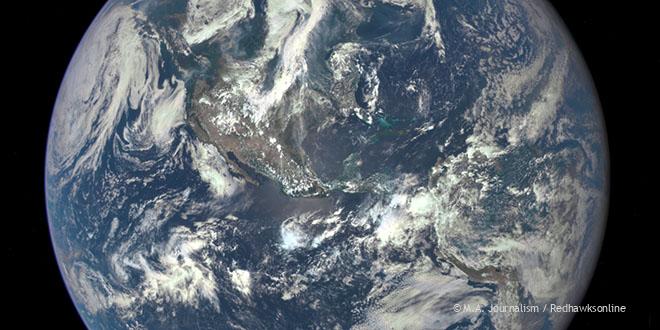

Human trafficking and its global impact
- 50% of US trafficking victims are girls under the age of 18
- Girls as young as 5 are trafficked into sexual slavery — sometimes sold by their own economically-vulnerable mothers and fathers
-
According to The International Labour Organization, there are approximately 40.3 million victims of human trafficking globally. For a sense of scale, that’s more than the size of California’s population.
-
Of these millions of victims, 25 percent are children, 75 percent are female, and 81 percent are trapped in some form of forced labor.
-
24.9 million people are exploited as victims of human trafficking, including forced labor trafficking and sex trafficking
-
Women and girls are overwhelmingly affected by the exploitation of this sort, making up 99 percent of victims in the commercial sex industry.
As shocking as the Epstein/Maxwell case has been, unfortunately, it is not an anomaly.
In 2020, the International Labor Organization (ILO) estimated that there are 40.3 million victims of human trafficking around the world. ILO approximated that the industry is worth 150 billion dollars internationally. Human trafficking occurs in many forms: Forced labor (men, women, children), sex trafficking, commercial sexual exploitation of children (CSEC), online sexual exploitation of children (OSEC), and transnational child sexual abuse (formerly referred to as child sex tourism).
It happens everywhere.
“The strange irony is that [sex trafficking] can seem almost sensationalized in the media when you hear about the Epstein-Maxwell case,” said Bethany Hanke Hoang, an author, and former Senior Advisor at the U.S. Department of State’s Office to Monitor and Combat Trafficking in Persons. “The case involves celebrities with money and power and commands our attention, perhaps in a way that could lead us to believe this is a rare crime. But the reality is that human traffickers are widespread across the globe and rampant in their exploitation of those who are most vulnerable in our world. It is so important to keep in mind, the full scope of human trafficking…not letting one case in one country distract from the reality of how pervasive sex trafficking actually is. It’s not just a sensational anomaly. This is actually real. There are tens of millions of people suffering from this crime. Traffickers can be stopped and we must do everything in our power as a society to do so.”
Traffickers typically target the vulnerable, disadvantaged, poor, and fatherless. They primarily use coercion and deception (a framework Gary Haugen puts forward in his book Good News About Injustice) to lure victims away from their homes and into dependency.
“There are so many twisted and subtle ways that traffickers can coerce psychologically through threats, and then through deception and lies, to pull people in more deeply,” said Hoang. “With every kind of trafficking: sex trafficking, forced labor, even entire families who have been exploited by traffickers are locked in for multiple generations trying to pay off a trumped-up debt – It’s this formula of coercion and lies that traffickers use to keep their victims in their power.”
The psychological trauma can ironically make the victimization more difficult to escape. Victims’ severe shame and abuse can result in feelings of hopelessness and resignation to their situation.
“There is a trauma bond that traffickers create with their victims,” said Hoang. “It can make it really difficult for a survivor to truly move into a new future, move into a place of freedom and flourishing without really specialized and deeply loving and professional help and care. The way traffickers strip even the most basic human dignity from those they victimize and heap shame is amazing to me, in the most terrible way. Those I know who have been victimized, a decade later can still be blaming themselves, no matter how young they were, no matter how much what was done to them was completely out of their hands. And no matter how clear it is to anyone else that it’s not their fault. It’s just an incredibly powerful force. But I’ve also seen incredible hope come as survivors move into new lives of safety and support and even flourishing in freedom.”
Human trafficking, especially sex trafficking, affects millions of people worldwide and is finally getting some much-needed awareness. Organizations such as the International Justice Mission, the US State Department, etc. are working to eradicate as much of the crime as possible.